In recent years, the use of polished tungsten plate in various industries has surged. This material is celebrated for its unique properties and versatility. According to a report by the Global Tungsten Market, the demand for tungsten products has grown by over 15% annually. This trend emphasizes the growing reliance on polished tungsten plates in sectors like aerospace, automotive, and manufacturing.
Polished tungsten plate stands out for its exceptional hardness and corrosion resistance. It offers a significant advantage in applications involving extreme conditions. For instance, in high-temperature environments, polished tungsten plates maintain their integrity, outperforming many other materials. Moreover, their excellent thermal conductivity enhances efficiency in energy applications.
However, the decision to use polished tungsten plate requires careful consideration. It is essential to balance benefits against costs. Despite the advantages, the initial investment can be substantial. Therefore, industries must assess their specific needs and the potential return on investment. Understanding these dynamics is critical in leveraging the advantages of polished tungsten plates effectively.
Polished tungsten plates have multiple advantages in manufacturing processes. Their density and strength provide exceptional durability. Tungsten does not deform easily under stress, making it an ideal choice for heavy-duty applications. It withstands high temperatures and resists wear, enhancing product lifespan. Industries often use these plates in aerospace and mining, where tough materials are crucial.
When using polished tungsten plates, consider their weight. They are heavy and can complicate handling. This may require specialized lifting equipment. Another point to reflect on is cost. While they save money in the long run through durability, the initial investment can be high. Balancing these factors is important in project planning.
Ensure your workspace is equipped for tungsten plate use. Check for tools that can handle its rigid properties. Proper training for your team is essential to avoid safety hazards. A well-informed staff can optimize efficiency. Understanding the material’s characteristics will improve your manufacturing process. Embracing polished tungsten plates can lead to better outcomes in various applications.
Polished tungsten plates offer exceptional durability in harsh environments. Their unique properties make them a preferred choice in various industrial applications. When exposed to high temperatures and corrosive agents, tungsten shows remarkable resistance. Studies reveal that polished tungsten maintains structural integrity even at temperatures exceeding 3,400 degrees Celsius. This resilience is critical for industries like aerospace and electronics, where equipment undergoes extreme conditions.
In addition, polished tungsten plates resist wear and tear better than conventional materials. Industry reports indicate that tungsten can outperform steel in wear resistance tests by up to 300%. This attribute is vital for components subjected to friction, such as grinding tools and machinery parts. However, the high density of tungsten, while beneficial for durability, may present challenges during handling and installation.
While polished tungsten is effective, it is not without drawbacks. The material's cost can be prohibitive for some applications. Also, working with tungsten requires specialized knowledge to prevent tooling issues. Even with these considerations, the benefits of polished tungsten plates in extreme environments often outweigh potential challenges, making them a solid investment for industrial use.

Polished tungsten plates are increasingly favored in various industrial applications due to their cost-effectiveness. According to a report by the International Tungsten Industry Association, polished tungsten demonstrates exceptional durability and heat resistance. This makes it a compelling option for industries requiring precision and longevity, such as aerospace and military manufacturing.
The initial investment in polished tungsten plates may be higher than alternatives. However, their longevity can lead to reduced replacement costs. A study from a leading materials science journal indicates that polished tungsten can last up to 50% longer than traditional materials in high-stress environments. This translates to significant savings over time, allowing industries to allocate budgets more effectively.
When considering polished tungsten plates, evaluate the total lifecycle cost. This includes initial purchase, maintenance, and replacement costs. Consider your specific application needs. Polished tungsten excels at high temperatures. It is essential to calculate how these properties align with your operational demands. Longevity is an asset, but it requires thoughtful integration into existing systems.
| Benefit | Description | Cost-Effectiveness |
|---|---|---|
| High Density | Polished tungsten plates have a high density, making them effective in applications requiring weight. | Due to reduced material requirements, overall costs are lower. |
| Corrosion Resistance | Tungsten plates withstand harsh environments and corrosive materials. | Increased lifespan leads to cost savings on replacements. |
| Heat Resistance | Excellent thermal stability even at high temperatures. | Reduces the need for expensive high-temperature materials. |
| Machinability | Polished surfaces allow for easier machining and fabrication. | Lower machining time translates into lower labor costs. |
| Non-Magnetic | Tungsten plates do not interfere with magnetic fields. | Suitable for sensitive electronic applications, reducing risk of damage or failure. |
| High Melting Point | Tungsten has the highest melting point of any metal. | Reduces operational costs in high-temperature manufacturing. |
| Customizability | Easily customized to specific dimensions and thicknesses. | Minimizes waste and saves costs on excess material. |
| Durability | Highly durable and resistant to wear and tear. | Long-term savings through decreased maintenance needs. |
| Eco-Friendly | Recyclable and less harmful to the environment. | Lower disposal costs associated with environmentally-friendly materials. |
| Cost Efficiency | Cost-effective compared to other high-performance metals. | Overall value leads to a more cost-effective solution for industries. |
Polished tungsten plates have gained immense popularity across various industries. Their versatility makes them suitable for applications in aerospace, electronics, and medical equipment. This versatility stems from their high melting point, excellent corrosion resistance, and significant density, which provide unmatched performance levels. For instance, the aerospace sector heavily relies on polished tungsten in engine components due to its ability to withstand extreme temperatures.
Polished tungsten plates are also increasingly used in manufacturing processes. According to industry reports, the global tungsten market is projected to grow by 4.5% annually, highlighting the rising demand for polished tungsten in industries. This growth is driven by the need for durable materials that can operate efficiently in harsh environments. Their use in semiconductor manufacturing demonstrates how polished tungsten plates facilitate precision engineering, a critical aspect for electronics companies.
Consider the following. Proper surface treatment of polished tungsten increases its efficacy. Ensure that the plates are maintained regularly to achieve optimal performance. Also, while polished tungsten offers many benefits, it can be challenging to machine. Proper tools and techniques are necessary to avoid damage during processing, which can affect overall output. Careful planning in the production process allows for enhanced efficiency while minimizing waste.
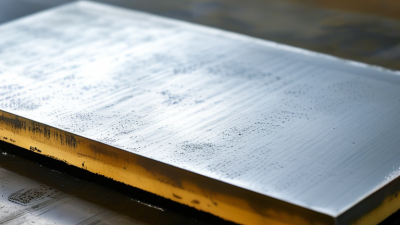
Polished tungsten plates are gaining popularity across various industries, particularly for their enhanced surface finish and aesthetics. The smooth, shiny surface of these plates not only looks appealing but also improves functionality. This high-quality finish reduces friction and wear, making it ideal for demanding applications. The sleek appearance also makes polished tungsten plates suitable for visible components in machinery and designs where aesthetics matter.
When considering polished tungsten plates, one must remember their durability. They resist scratches and corrosion, ensuring longevity. However, achieving this finish can be challenging. It's crucial to select the right polishing technique. Each method offers different results, and sometimes, the desired finish may not be achieved. Experimenting with various approaches might yield unpredictable outcomes.
Pay attention to the thickness of the tungsten plates. Thicker plates can provide a more robust surface but may compromise the polishing quality. It’s also beneficial to understand the operational environment and choose a finish that aligns with it. The finish might perform well initially, but wear over time should be anticipated. Regular inspections can help maintain the aesthetic and functional qualities of polished tungsten plates, ensuring you get the most out of them in your applications.