Leave Your Message

What Is Carbide Flat Bar Used For?

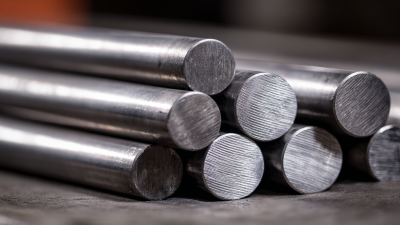
Carbide Flat is a compact but powerful material used where ordinary steel wears too quickly. Its foundation is cemented tungsten carbide, usually bonded with cobalt. This structure combines exceptional hardness with useful toughness. It can resist abrasion, impact, heat, and repeated contact. That is why manufacturers use Carbide Flat for cutting tools, wear strips, guides, dies, and industrial blades.

Dr. Peter A. Dearnley, a recognized hardmetals researcher, has emphasized this practical principle: “Carbide performance depends on balancing hardness, toughness, and operating conditions.” The balance matters. A very hard grade may resist scratching, yet it can chip under sudden impact. A tougher grade may survive shock, but wear faster in abrasive environments. Engineers must examine pressure, temperature, cutting speed, and material contact before selecting a grade.

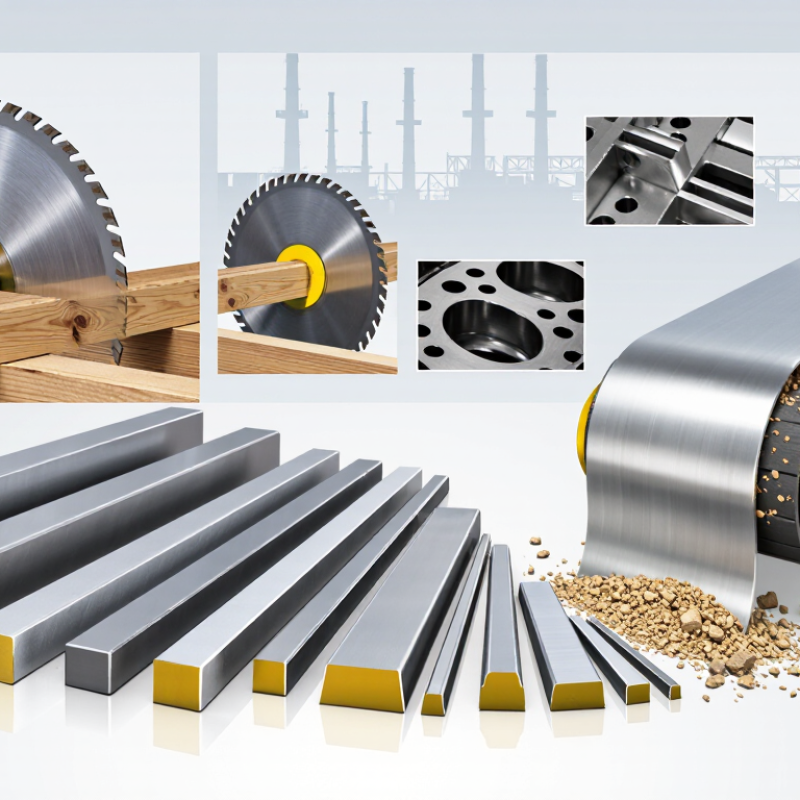
The applications are highly visible. Carbide Flat strips can protect conveyor edges from sand and mineral particles. They can reinforce woodworking cutters that meet knots and dense grain. In metalworking, flat blanks may become wear-resistant components or precision tools. Dimensions also matter. A small mismatch can cause vibration, premature cracking, or uneven wear.

There is no universal grade.

That point is easy to overlook. Even experienced buyers may focus only on hardness or price. Real performance depends on geometry, brazing quality, surface finish, and maintenance. This article explores what Carbide Flat is used for, how it performs in different industries, and where its limitations deserve closer attention.

What Is Carbide Flat Bar Used For?

Definition and Key Features of Carbide Flat Bar

What Is Carbide Flat Bar Used For?

Definition and Key Features of Carbide Flat Bar

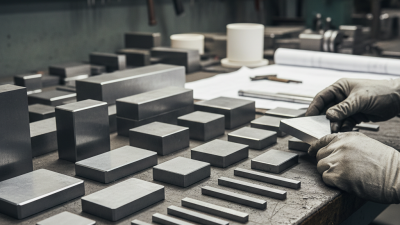
Carbide flat bar is a rectangular, wear-resistant material used in cutting and forming applications. It is commonly made from tungsten carbide particles bonded with a metal binder. This structure gives it high hardness and strong compressive performance. In workshops, it may serve as a cutting edge, wear strip, guide rail, punch component, or forming insert.

Its key feature is resistance to abrasion. A carbide flat bar can maintain an edge while processing wood, plastics, composites, and selected metals. It also handles repeated contact better than many conventional tool steels. However, hardness creates brittleness. A sharp impact, poor support, or incorrect grinding can cause chipping. The surface may look intact, yet microscopic damage can already affect performance.

Dimensions and carbide grade should match the working condition. Check thickness, width, straightness, surface cracks, and edge quality before installation. Diamond grinding is normally preferred because ordinary abrasives may wear quickly. I have found that poor clamping often causes more trouble than the material itself. Real workshop conditions are rarely perfect.

Tips: Select a finer grade for smoother cutting and a tougher grade for impact-prone work. Keep the bar fully supported. Avoid sudden drops in temperature. Measure the finished edge after grinding, not only before it. A small dimensional error can change cutting pressure noticeably.

How Carbide Flat Bar Is Manufactured

What Is Carbide Flat Bar Used For?

How Carbide Flat Bar Is Manufactured

Carbide flat bar is used for wear strips, cutting tools, dies, guides, and high-friction machine parts. Its hardness comes from tungsten carbide grains held in a cobalt binder. The balance matters. More cobalt can improve toughness, while finer grains can increase wear resistance.

Manufacturing begins with carefully measured carbide and binder powders. Producers mill the mixture in a liquid medium to improve uniformity. Spray drying then creates free-flowing granules. These granules are pressed into a flat shape under controlled pressure. Some complex profiles use extrusion instead.

The compact is not ready yet.

Sintering usually occurs near 1,350–1,500°C in a controlled vacuum or gas atmosphere. During this stage, the binder becomes liquid and bonds the carbide grains. The bar shrinks, often by roughly 15–20% in volume, so dimensional allowances must be calculated before pressing. Hot isostatic pressing may reduce internal porosity, although it adds cost and process time.

Grinding with diamond wheels creates the final thickness, flatness, and edge geometry. Quality checks commonly examine density, hardness, transverse rupture strength, and microstructure, following methods such as ISO 3327 and ISO 4499. The USGS Mineral Commodity Summaries 2025 estimated global tungsten mine production at about 81,000 metric tons in 2024, highlighting the strategic importance of powder control and material efficiency. Still, manufacturing is not flawless. Small binder pools, grinding damage, or uneven shrinkage can weaken an otherwise precise bar.

Common Industrial Uses of Carbide Flat Bar

What Is Carbide Flat Bar Used For?

Common Industrial Uses of Carbide Flat Bar

Carbide flat bar is widely used where ordinary steel wears too quickly. It combines hard carbide particles with a tough metal binder. This structure supports long service in demanding industrial environments. Manufacturers machine it into cutting edges, wear strips, guide rails, punches, and forming tools. Metalworking shops use it for shearing, trimming, and slitting applications. Woodworking equipment also uses carbide edges for cutting abrasive boards and dense timber.

Mining and construction equipment rely on carbide flat bar for impact and abrasion resistance. It can protect conveyor parts, scraper edges, chutes, and drilling components. Agricultural machinery benefits from it too. Soil-contact parts often face sand, stones, and repeated friction. Carbide helps reduce replacement frequency, although it is not unbreakable. The hardest lesson is simple: harder is not always better. Excessive impact can chip the edge, especially when the grade or support design is unsuitable.

Tips: Select the carbide grade according to the working load, not hardness alone. Check the material being cut, operating temperature, and expected impact. Keep the bar properly supported during brazing or fastening. Uneven heating may cause cracks. Inspect worn edges before failure occurs. A small defect can grow quickly under vibration. In practice, selection is sometimes imperfect, and field testing may reveal problems that a specification sheet misses.

What Is Carbide Flat Bar Used For?

Typical hardness ranges of cemented carbide grades used in common industrial applications

Carbide flat bar is commonly used for wear strips, cutting tools, woodworking knives, forming dies, and mining components. The chart shows representative Vickers hardness ranges for cemented carbide grades selected for these applications. Actual values vary with tungsten carbide grain size, cobalt content, and the required balance between wear resistance and toughness.

Benefits and Performance Characteristics

What Is Carbide Flat Bar Used For?

Carbide flat bar is used where repeated sliding, cutting, or impact quickly damages ordinary steel. Common roles include wear strips, scraper edges, guide rails, forming tools, and mining components. The material usually combines tungsten carbide grains with a metallic binder. This structure delivers very high hardness and strong compressive performance. It also keeps a sharp working edge under abrasive contact. The U.S. Geological Survey’s Mineral Commodity Summaries 2024 reported about 84,000 metric tons of tungsten content from global mines in 2023. That figure highlights the importance of responsible material selection and recovery. Supply is concentrated, too.

In practical machining, a flat bar can outlast hardened steel when sand, scale, or wood fiber crosses its face. Its wear resistance supports longer maintenance intervals and steadier dimensions. However, hardness is not toughness. A high-carbide grade may chip under side impact or poor clamping. Cobalt content, grain size, edge geometry, and brazing quality change the result. ISO 513 classifications help engineers compare carbide families, but they do not replace application testing. Temperature matters. Excessive heat can weaken the binder and accelerate edge failure. A controlled coolant stream, rigid support, and small edge radius often improve service life. Still, a universal grade chart can mislead. A short trial using measured wear depth is more reliable than a confident guess. That modest step is often overlooked.

What Is Carbide Flat Bar Used For? - Benefits and Performance Characteristics

Application or Use How Carbide Flat Bar Is Used Primary Benefit Typical Performance Characteristics Suitable Material or Working Condition
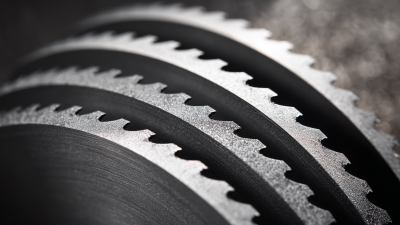
Woodworking and Panel Processing Cut into blanks or brazed onto saw teeth, knives, planing cutters, and routing tools. Maintains a sharp cutting edge for longer periods than conventional tool steel. High wear resistance; good resistance to abrasive wood fibers, resin, plywood, MDF, and particleboard. Dry wood, engineered boards, laminates, and other abrasive non-metallic materials.
Mining and Quarrying Used as wear inserts, cutting edges, scraper components, and reinforcement strips in rock-processing equipment. Reduces wear and helps extend service intervals in abrasive environments. Very high abrasion resistance; retains hardness at elevated operating temperatures; impact resistance depends strongly on carbide grain size and binder content. Rock, concrete, aggregate, coal, mineral ores, and other highly abrasive materials.
Metal Cutting and Shearing Machined into wear strips, guide surfaces, shear components, or inserts for cutting and slitting equipment. Provides a hard, stable edge and reduces dimensional change caused by wear. High compressive strength, excellent resistance to adhesive and abrasive wear, and good edge stability when adequately supported. Mild steel, stainless steel, non-ferrous metals, and metal strip processing applications.
Forming and Stamping Dies Used for die edges, guide rails, wear plates, punches, and other areas exposed to repeated sliding or forming contact. Improves die life and helps preserve tooling accuracy. High hardness, low wear rate, and strong resistance to compressive loading; brittle fracture is possible under severe shock or poor support. Sheet-metal forming, blanking, stamping, and high-volume production tooling.
Wire and Tube Manufacturing Ground into guide strips, sizing components, drawing-tool parts, and wear surfaces. Supports consistent product dimensions and smooth material flow. High surface hardness, good resistance to scoring, and long-term dimensional stability under sliding contact. Steel wire, copper wire, tubing, rods, and other continuously processed materials.
Wear Plates and Sliding Components Installed as replaceable liners, wear strips, bearing surfaces, or protective plates. Protects the underlying steel structure and lowers maintenance frequency. Excellent abrasion resistance and high compressive strength; performs best when impact loads are controlled. Chutes, feeders, conveyor systems, guides, and material-handling equipment.
High-Speed Cutting Tools Ground into small cutting edges, replaceable tips, or brazed tool segments. Allows higher cutting speeds than many high-speed steel tools in suitable applications. High hot hardness, low thermal expansion compared with many tool steels, and strong resistance to crater and flank wear. Cast iron, non-ferrous alloys, hardened materials, and selected steels with appropriate carbide grades.
Typical Material Properties Properties vary according to tungsten carbide grain size, metallic binder content, and manufacturing method. Offers a tunable balance between hardness, toughness, and wear resistance. Hardness commonly about .90–.95 HRA; transverse rupture strength often approximately 1,000–3,000 MPa; density commonly about 14–15.2 g/cm³. Use grade-specific technical data for final design, as values differ by composition and microstructure.
Key Design Considerations Select thickness, width, grade, edge geometry, mounting method, and surface finish according to the load and application. Helps maximize service life and minimize cracking or premature edge failure. Coarse-grained grades generally provide greater toughness; fine-grained grades generally provide higher hardness and wear resistance. Avoid unsupported overhangs, severe impact, sudden temperature changes, and unsuitable brazing or grinding practices.

Selecting the Right Carbide Flat Bar for Each Application

Carbide flat bars are used for wear strips, cutting edges, guide rails, and industrial tooling. Selecting the right type requires more than checking hardness. The working environment matters. A bar used against abrasive sand needs strong wear resistance, while one exposed to repeated impact needs better toughness. Fit matters.

Start with the material being cut or contacted. Fine-grain carbide often supports sharp edges and clean finishes. Coarser grades can tolerate heavier impact, although they may not hold a delicate edge as well. Consider the bar’s thickness, width, and final tolerances. A small dimensional error can create vibration, uneven loading, or premature cracking. Measure twice.

Heat and operating speed also influence the choice. Dry cutting can produce severe thermal stress, especially near thin edges. Cooling conditions, clamping strength, and brazing or fastening methods should be reviewed together. A carbide flat bar may be extremely hard, yet it can chip when poorly supported. I have seen over-specified tools fail because the holder flexed. That detail is easy to miss.

Before ordering, compare grain structure, binder content, hardness, toughness, and available dimensions. Ask for test data when the application is demanding. Surface grinding should leave a controlled finish, not sharp, accidental corners. The best selection is not always the hardest grade. It is the grade that balances wear life, impact resistance, machinability, and cost for the actual working conditions.