Why Choose Blank Carbide Plate for Your Manufacturing Needs?
Choosing the right materials for manufacturing is crucial for productivity and quality. Blank Carbide Plates have emerged as a top choice among engineers and manufacturers. According to a recent report by the International Journal of Manufacturing Engineering, these plates account for a significant portion of the cutting tool market, valued at approximately $2.5 billion globally in 2022. Their durability and resistance to wear make them essential in high-performance applications.
Dr. Emily Chen, an expert in materials engineering, states, "The adaptability and precision of Blank Carbide Plates make them unparalleled in the manufacturing sector." This underscores the importance of precision in today's competitive market. However, the initial investment can be high, which may deter some smaller operations. It’s vital to weigh the long-term benefits against the upfront costs.
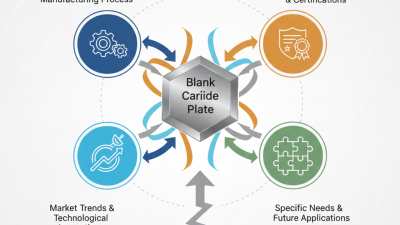
Blank Carbide Plates offer various advantages but require careful consideration. The specialized manufacturing processes and specific needs of each application must be taken into account. Striking a balance between cost and quality is essential. As with any advanced material, understanding the full scope of advantages and potential drawbacks is key to making informed decisions in manufacturing.
Benefits of Using Blank Carbide Plates in Manufacturing
Blank carbide plates offer numerous advantages for manufacturing. These plates are renowned for their exceptional hardness and wear resistance, making them ideal for applications that demand durability. According to a report by a leading industry analyst, materials that include at least 90% tungsten carbide exhibit a lifespan increase of up to 50% in high-friction environments. This longevity translates directly into reduced downtime and lower material replacement costs.
In addition to durability, blank carbide plates provide excellent thermal stability. They maintain structural integrity at elevated temperatures. This is crucial when working with heat-generating processes. Data suggests that carbide tools can withstand temperatures exceeding 1000°C without deformation. Proper management of heat can improve productivity. However, manufacturing with carbide also has its challenges. The grinding process requires specialized equipment and expertise, which can increase initial setup complexity.
Versatility is another benefit of blank carbide plates. They can be easily customized to meet specific dimensional requirements. However, this customization can lead to variability in final products. Manufacturers must invest time in quality control to ensure consistency. Addressing these potential inconsistencies is vital for maintaining product integrity. Ultimately, the decision to use blank carbide plates involves weighing benefits against the operational challenges faced in the manufacturing process.
Key Properties of Carbide Plates for Industrial Applications
Carbide plates are increasingly preferred in manufacturing due to their superior properties. These plates exhibit high hardness, making them suitable for cutting and wear-resistant applications. According to industry reports, tungsten carbide has a hardness rating of around 9 on the Mohs scale. This hardness translates into prolonged tool life, reducing production downtime. Such efficiency is essential in sectors like aerospace and automotive, where precision is paramount.
The thermal stability of carbide plates is another critical aspect. They can withstand high temperatures without losing their structural integrity. Data shows that they maintain strength up to 1000°C. This property makes them ideal for applications involving high friction or heat generation. Furthermore, the corrosion resistance of carbide means these plates remain effective in harsh environments, minimizing the need for frequent replacements. However, manufacturers must also reflect on the brittleness of carbide under certain stresses. Understanding how to balance strength and vulnerability is essential for optimal performance in real-world applications.
Finally, the manufacturing process of carbide plates can involve complex techniques, which may introduce variable quality. Quality control measures are crucial. Ensuring uniformity in thickness and density can directly impact the application outcomes. In industries demanding the highest standards, overlooking these factors can lead to costly mistakes. Hence, while carbide plates offer remarkable benefits, it's important to adopt a thoughtful approach to their use in manufacturing.
Comparison of Blank Carbide Plates with Other Materials
When considering materials for manufacturing, blank carbide plates stand out in several key areas. Compared to steel, carbide plates offer superior hardness and wear resistance. This means they hold their shape longer during machining operations. Steel tools may require frequent sharpening, while carbide maintains its edge, enhancing productivity.
In addition to steel, ceramic materials are sometimes chosen for their heat resistance. However, ceramics can be brittle and prone to shattering under stress. Blank carbide plates, on the other hand, combine strength and toughness. They withstand high temperatures without cracking. This makes them ideal for applications where durability is essential.
Some may find the initial cost of blank carbide plates higher than other materials. This can be a barrier for smaller businesses. However, the long-term savings often outweigh these concerns. Lower replacement rates and reduced downtime can lead to significant cost benefits. The choice may seem challenging, but understanding the unique properties of carbide can guide better decisions.
Comparison of Blank Carbide Plates with Other Materials
Applications of Blank Carbide Plates in Various Industries
Blank carbide plates serve diverse industries due to their exceptional hardness and wear resistance. Industries such as aerospace, automotive, and manufacturing heavily rely on these materials. For instance, in the aerospace sector, blank carbide plates are critical for producing turbine components. According to a report by Market Research Future, the aerospace materials market is expected to grow by 8.5% annually through 2027.
In the automotive industry, blank carbide plates play a significant role in cutting tools and dies. Their durability allows for precision machining, reducing downtime. A study from Grand View Research highlights that the global automotive tool market is projected to exceed USD 25 billion by 2025, partly driven by the adoption of advanced materials like carbide. Various manufacturing applications also utilize these plates for shaping and molding processes.
Despite their advantages, challenges exist. The cost associated with blank carbide plates often raises questions about return on investment. Additionally, the welding of carbide to other materials can be problematic, requiring skilled techniques. Industry professionals must continuously assess these factors to maximize efficiency. The evolving landscape of material science suggests that further optimization of carbide plate usage may be needed to enhance performance across different applications.
Cost-effectiveness of Blank Carbide Plates in Manufacturing Processes
Blank carbide plates are increasingly favored in various manufacturing sectors, primarily due to their cost-effectiveness. A recent report by the Manufacturing Institute highlighted that using blank carbide plates can reduce production costs by up to 20%. This significant reduction stems from their durability and performance, which translate into fewer replacements and maintenance needs. The hardness and wear resistance of carbide materials make them ideal for high-stress environments.
Investing in blank carbide plates can lead to substantial long-term savings. A study from the National Tooling and Machining Association revealed that production downtime was cut by 15% when using high-quality carbide tools. These plates minimize wear and tear, maintaining efficiency throughout the manufacturing process. Many facilities have reported improved output, emphasizing the balance between initial investment and sustained productivity.
**Tip:** Regularly assess the wear rates of your tooling. Knowing when to replace tools can prevent unexpected breakdowns.
It's essential to consider the specifics of your manufacturing processes. Different applications may lead to varied results. Some may find the initial costs of carbide plates daunting. However, the potential for increased longevity makes them a worthwhile consideration. Engaging with industry experts can further illuminate best practices.
Why Choose Blank Carbide Plate for Your Manufacturing Needs? - Cost-effectiveness of Blank Carbide Plates in Manufacturing Processes
| Dimension (mm) |
Weight (kg) |
Cost (USD) |
Hardness (HRA) |
Applications |
| 100 x 100 x 10 |
1.0 |
50 |
90 |
Cutting Tools |
| 150 x 100 x 12 |
1.5 |
75 |
91 |
Molds & Dies |
| 200 x 200 x 15 |
2.0 |
100 |
92 |
Mining Tools |
| 250 x 150 x 20 |
2.5 |
125 |
93 |
Wear Parts |
| 300 x 200 x 25 |
3.0 |
150 |
94 |
Industrial Machinery |