How to Choose the Best Cutting Tool Plates for Your Needs?
Selecting the right Cutting Tool Plates can significantly impact your machining efficiency. According to industry expert Dr. Emily Carter, “The right cutting plate can enhance performance and extend tool life.” Her insights highlight the importance of making informed choices.
When considering Cutting Tool Plates, you must evaluate your specific needs. Factors like material, thickness, and geometry play vital roles. A well-chosen cutting plate can increase precision and reduce wear. However, many overlook the implications of incorrect selections. It’s easy to underestimate your requirements, which could lead to costly mistakes.
Understanding the range of options available is crucial. With advancements in technology, the variety in Cutting Tool Plates is expansive. Yet, this complexity can lead to confusion. It’s essential to research and consult experts to avoid unforeseen consequences. A thoughtful approach can save time and resources while ensuring your operations run smoothly.
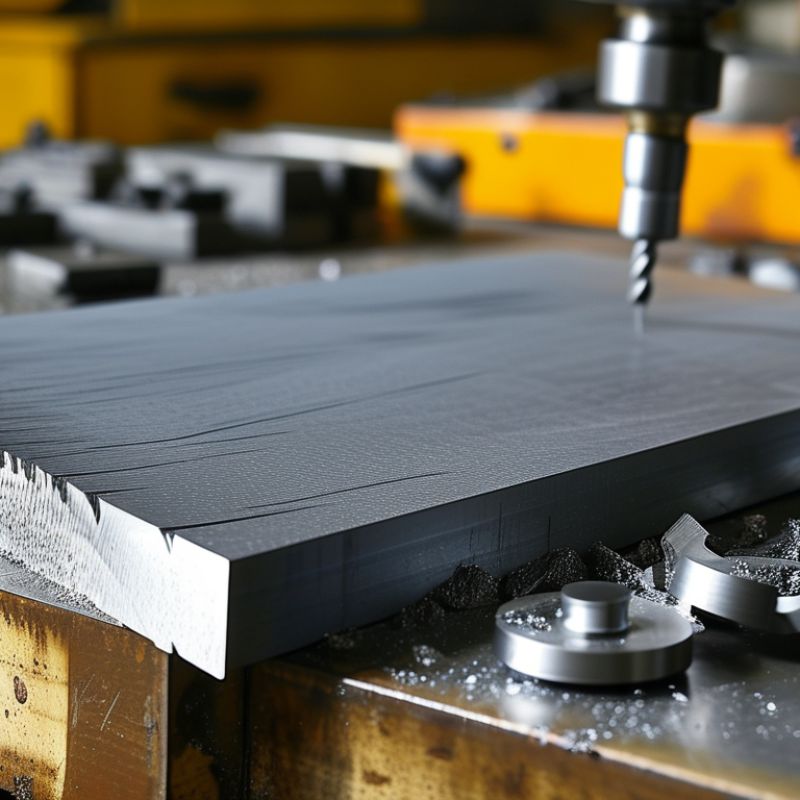
Factors to Consider When Choosing Cutting Tool Plates
When selecting cutting tool plates, several factors come into play. You need to consider the material of the plate. High-speed steel, carbide, and ceramic have different properties. Each material impacts durability and cutting efficiency. Think about the type of materials you’ll be working with and the machining conditions.
Pay attention to the cutting edge geometry as well. Different shapes offer varying performance for specific tasks. A sharp edge is crucial for smooth cuts, while a thicker edge may be best for tough materials. Furthermore, choose the right coating. Coatings can enhance performance and prolong tool life, so investigate which ones suit your applications.
Understanding your specific needs is crucial. Reflect on how often you'll be using the tool. If it’s a high-volume task, investing in a premium cutting plate may be wise. Dismiss the idea that cheaper options are always better; they may cost more in the long run. Make sure to analyze previous experiences with cutting tools; learning from past choices can guide you toward better decisions.
Types of Cutting Tool Plates and Their Applications
When selecting cutting tool plates, understanding the different types is crucial. There are several main categories.
Carbide plates are known for their hardness and wear resistance. They excel in cutting tough materials. Ceramics, on the other hand, provide great heat resistance. They are ideal for high-speed applications but can be brittle.
Another popular type is cermet, which combines ceramic and metallic properties. This blend offers excellent wear resistance and toughness. Cermet plates are suitable for various applications, especially in aerospace and automotive industries. It’s essential to consider the specific requirements of your project when choosing a type.
Compatibility with the machine and the material to be cut is vital. Misalignment can lead to poor performance. Users often overlook the maintenance needs of these plates. Regular checks can extend their lifespan significantly. Inappropriate usage can result in damages, requiring costly replacements. Understanding these nuances ensures a better choice for efficiency and productivity.
Material Selection for Cutting Tool Plates
Material selection is crucial for cutting tool plates. Various materials possess distinct properties that impact performance. High-speed steel (HSS) is a classic choice, known for its toughness and heat resistance. According to a recent industry report, HSS tools can last up to 60% longer than standard carbon steel tools.
Carbide tools offer superior hardness and wear resistance. They maintain sharp edges longer, making them ideal for high-volume production. Data indicates that carbide cutting tools can increase productivity by 25% in machining environments. However, their brittleness requires careful handling to avoid chipping.
Ceramic cutting tools are gaining traction due to their exceptional heat resistance. They function effectively at high cutting speeds. Reports show that ceramic plates can operate at temperatures exceeding 1,000 degrees Celsius. Despite their advantages, they can be expensive and may require specialized equipment. Users often struggle to balance cost and performance, leading to frequent reassessment of material choices. Determining the right material necessitates understanding both the application requirements and the inherent limitations of each option.
Evaluating Durability and Performance of Cutting Tool Plates
Choosing the right cutting tool plates requires careful consideration of durability and performance. Durability is paramount; a long-lasting tool plate can save time and money in the long run. Materials like carbide or ceramic often prove more resilient under high-stress conditions. However, these materials may not be suitable for all applications. Balancing cost with performance is crucial.
Performance evaluation often involves testing under real working conditions. Factors such as cutting speed, feed rate, and edge retention matter greatly. Some plates perform well in specific materials but struggle under others. It's essential to assess how each tool interacts with the material you work with. Testing different plates can reveal unexpected results. For instance, a stronger plate might lead to excessive wear on your machine.
Users often report mixed results in their experiences. While some emphasize how a particular plate improved their efficiency, others note dissatisfaction with breakage. Continuous feedback is vital for making informed decisions. Not every tool plate meets every need, and that’s a common realization. Understanding the specific demands of your work helps identify the best option for your needs.
Cost-Effectiveness and Budgeting for Cutting Tool Plates
When it comes to cutting tool plates, cost-effectiveness is paramount. According to a recent market analysis, businesses can save between 10% to 30% by strategically selecting the right cutting tool plates. This savings is often realized through improved efficiency and longer tool life. Investing in high-quality materials may seem expensive initially, but it can lower operational costs in the long run.
Budgeting for cutting tools requires a clear understanding of your needs. A detailed cost-benefit analysis can reveal whether premium options offer significant advantages over standard ones. For example, a report from the International Manufacturing Technology Show indicates that using high-performance tools can reduce production time by up to 20%. This efficiency can translate to substantial financial benefits, especially for high-volume production.
However, the initial outlay can be daunting. Businesses sometimes overspend on top-tier options without fully evaluating their requirements. Gathering input from operators and engineers is crucial for making informed decisions. This collaborative approach ensures the chosen tools align with actual usage and performance expectations. Regularly reviewing tool performance helps in adjusting future procurement strategies, ensuring continued relevance and value.