How to Choose the Best Face Milling Cutter for Your Needs?
Choosing the right Face Milling Cutter is vital for machining success. In the global manufacturing industry, the demand for effective milling tools is ever-growing. Reports indicate that efficient machining processes can enhance productivity by up to 30%. However, selecting the right tool can be daunting due to various factors.
Key specifications like material, geometry, and coating significantly influence performance. For instance, carbide cutters are known for their durability and precision. They can withstand higher cutting speeds and temperatures. Industry studies suggest that a suitable Face Milling Cutter can reduce production costs by improving material removal rates.
Improper selection can lead to inefficiencies and increased downtime. There's a need for careful analysis of application requirements. Evaluating tool life and expected output is crucial. Ultimately, understanding diverse options can refine decision-making. This approach not only boosts efficiency but can also drive long-term savings. If you choose wisely, your operations will thrive.
Understanding Face Milling Cutters: Key Features and Types
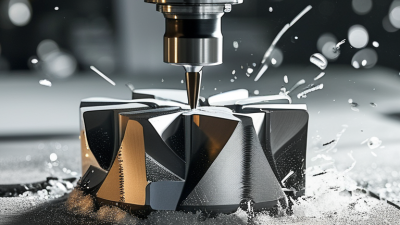
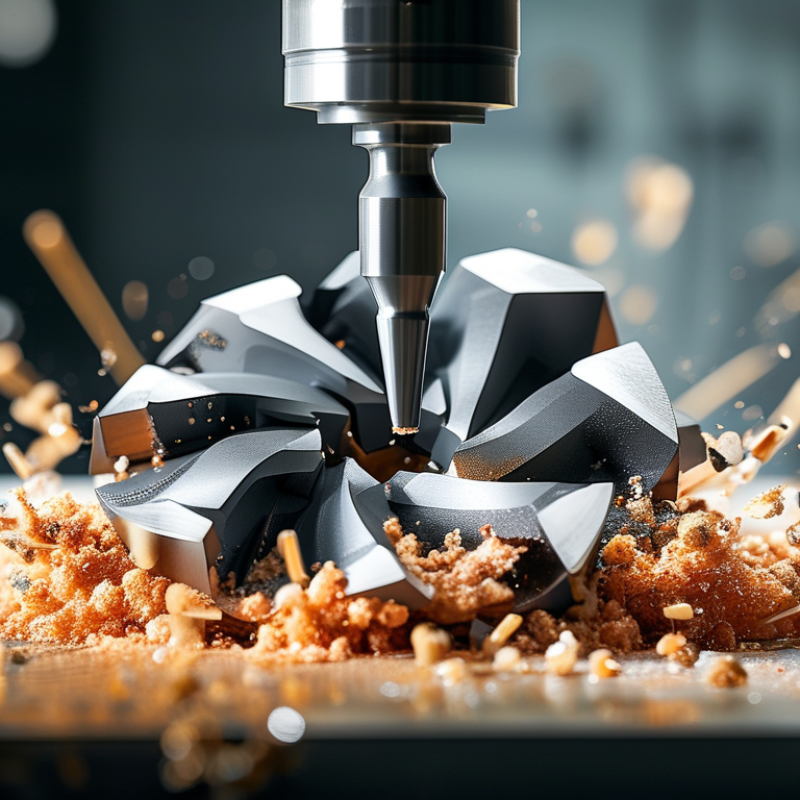
Face milling cutters are essential tools in machining. Understanding their key features can help you choose the right one for your projects. There are various types of face milling cutters, including indexable, solid, and insert types. Each type has unique advantages and limitations. For instance, indexable cutters allow for easy insert changes but require careful handling to avoid damage.
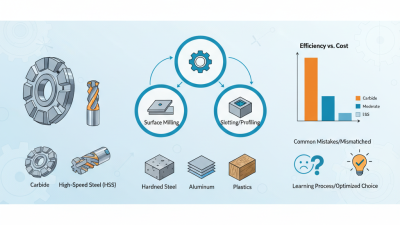
When selecting a face milling cutter, consider the material you will be working with. Different materials require different cutter geometries. A carbide cutter works well for steel, while high-speed steel is better for softer materials. Factor in the cutting speed and feed rate, as they impact performance and tool longevity.
Tips: Always assess your specific machining needs before making a choice. Look for options that offer versatility and adjustment. Experience plays a vital role in selecting the right tool. Small errors can lead to larger issues down the line. Engaging with experienced machinists can provide valuable insights that are not always evident from specifications alone. Remember, the best tool is one that balances efficiency with practical application.
Assessing Material Compatibility for Effective Milling Results
When selecting a face milling cutter, material compatibility plays a crucial role. The effectiveness of milling operations largely depends on how well the cutter can handle the workpiece material. For example, a study by the Association for Manufacturing Technology reveals that using the correct cutter material can increase productivity by up to 30%.
Carbide cutters, known for their durability, excel in machining tougher materials like stainless steel. Their ability to withstand high temperatures makes them a preferred choice in many industries.
Understanding the properties of different materials is essential. Harder materials often require specific cutter geometries to minimize chipping and wear. Furthermore, using the wrong cutter can lead to increased machining time and poor surface finishes. According to the American National Standards Institute, improper tool selection can result in a 20% loss in operational efficiency. Regular assessment of cutter wear and performance can inform future choices, helping manufacturers avoid costly mistakes while improving overall output.
Notably, there are challenges in assessing compatibility. Some materials may present unique machining difficulties, such as work-hardening effects. This complexity underscores the need for ongoing evaluation of both cutter performance and material characteristics. Ultimately, choosing the right cutter entails a nuanced understanding of the specific milling environment and requirements. Each application will reveal its own set of demands, and there may not always be a clear solution.
Evaluating Cutting Parameters for Optimal Performance
When selecting a face milling cutter, optimizing cutting parameters is essential. This ensures precision and efficiency in machining processes. One of the first considerations is the cutting speed. Higher speeds can improve surface finish but may reduce tool life. Balancing speed with the material being cut is crucial.
Another factor is the feed rate. A faster feed can enhance productivity but may lead to poor surface quality. Experimenting with different feed rates can help find the sweet spot for your specific application. Keep an eye on tool wear and adjust accordingly.
**Tips:** Always check the manufacturer’s recommendations. Use test cuts to evaluate performance. Monitor the temperature of the cutter; excessive heat can indicate issues. Maintaining a stable environment is key to consistent results. Aim to refine your cutting strategies based on real-time observations, as this can lead to long-term improvements.
How to Choose the Best Face Milling Cutter for Your Needs?
| Diameter (mm) |
Number of Inserts |
Material Type |
Cutting Speed (m/min) |
Feed Rate (mm/rev) |
Recommended Application |
| 100 |
4 |
Aluminum |
300 |
0.15 |
General Milling |
| 125 |
5 |
Steel |
250 |
0.1 |
Heavy Duty Cutting |
| 150 |
6 |
Cast Iron |
200 |
0.08 |
Precision Finishing |
| 80 |
3 |
Plastic |
350 |
0.2 |
Lightweight Applications |
Selecting the Right Size and Configuration for Your Project
Choosing the right size and configuration for a face milling cutter is crucial. It affects efficiency, surface finish, and tool life. According to industry reports, a cutter's diameter greatly influences the chip load. For instance, using a larger diameter increases stability and material removal rates. However, larger tools may not fit in tight spaces.
Selecting the correct width is also vital. A wider cutter can handle more material but may generate more heat. Too much heat can lead to premature wear. Maintaining proper feed rates can mitigate these effects. Experts recommend adjusting the feed based on material type and cutter specifications. This can enhance performance and reduce costs.
Understanding different tooth configurations matters too. More teeth often mean smoother finishes, but they can require more power to operate. A balance must be struck based on your machine's capabilities. Technical data suggest optimizing tooth count can increase productivity, yet some may overlook this during selection. Testing various configurations may yield surprising results.
Budget Considerations: Balancing Cost with Quality and Performance
When choosing a face milling cutter, budget considerations play a crucial role. Balancing cost with quality is essential for optimal performance. It’s tempting to go for lower-priced options, but this can lead to poor results. Low-quality cutters may wear out quickly, increasing replacement costs.
Investing in a mid-range cutter could yield better durability. You want a cutter that can handle diverse materials effectively. Performance is key, and higher quality often means better precision. Think about how frequently you use the cutter. Frequent use justifies a higher investment. However, for occasional tasks, a budget-friendly option might suffice.
Quality is not just about the price tag. Look for features that enhance efficiency. For example, better coatings can extend cutter life. Check user reviews and seek expert recommendations. Sometimes, the best choice isn’t the most expensive one. Evaluate your needs carefully to find a suitable option.
Face Milling Cutter Cost vs Quality Analysis