How to Choose the Right Circular Blades for Your Needs?
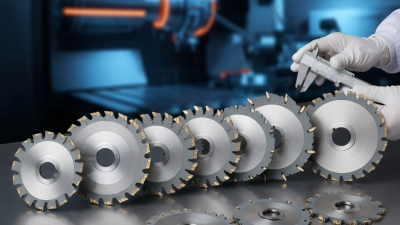
Choosing the right circular blades can be a daunting task. With various options available, it's essential to understand what suits your specific needs. Circular blades come in different materials, sizes, and designs. Each variation serves a unique purpose, whether for cutting wood, metal, or plastic.
Your experience with tools can guide your choice. Professionals often prefer carbide-tipped circular blades. These blades last longer and offer better precision. However, if you're a hobbyist, you may opt for standard steel blades. They are cheaper and work well for lighter tasks.
It's crucial to consider the blade's compatibility with your equipment. Mismatched sizes can lead to poor performance. Moreover, investing in quality blades can save you from frequent replacements. Reflect on your requirements carefully. By understanding the application, you can select circular blades that enhance your efficiency.
Understanding the Different Types of Circular Blades in the Market
Choosing the right circular blade can be overwhelming due to the various types available. Each type serves specific purposes, impacting your project's outcome. For instance, the material of the blade plays a crucial role. Carbide-tipped blades are excellent for hardwood, while high-speed steel blades work well for softer materials. According to industry reports, the demand for specialized circular blades is rising, emphasizing the need for precise material selection.
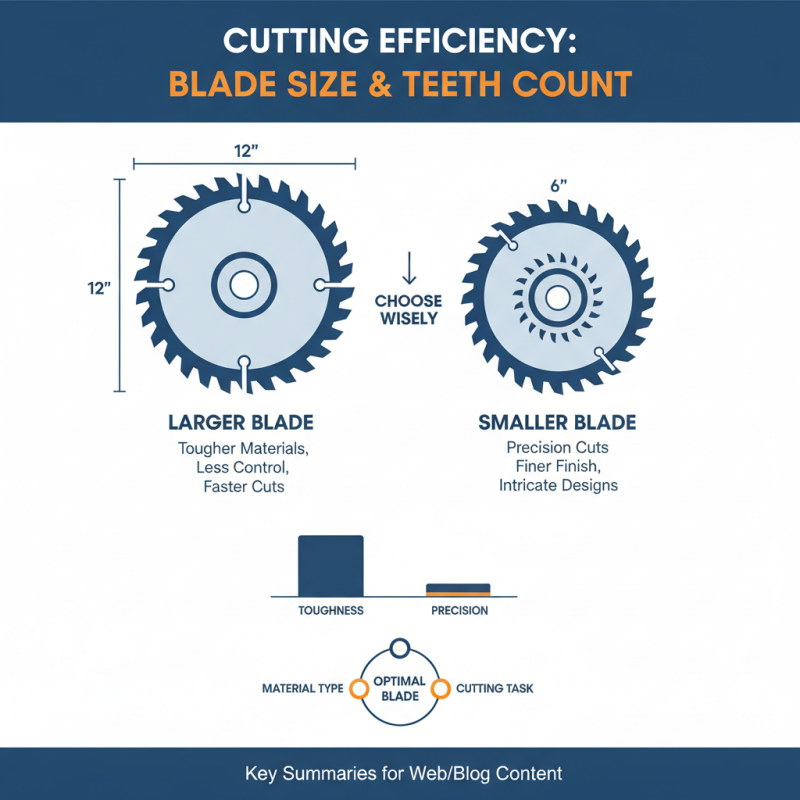
Consider your project's requirements. Do you need a finer finish or increased durability? A blade with a higher tooth count often provides a smoother cut. However, it can slow down the cutting process. You must balance speed and finish based on your needs. Statistics show that improper blade selection can lead to increased costs, wasted time, and safety hazards.
Tips: Always check the manufacturer's specifications. A mismatch can compromise your safety and efficiency. Additionally, keep your blades sharp. Dull blades create unnecessary strain on tools and decrease accuracy. Regular maintenance extends blade life and enhances performance. Understanding these factors can refine your choice and enhance project success.
Key Factors to Consider When Selecting Circular Blades for Cutting Tasks
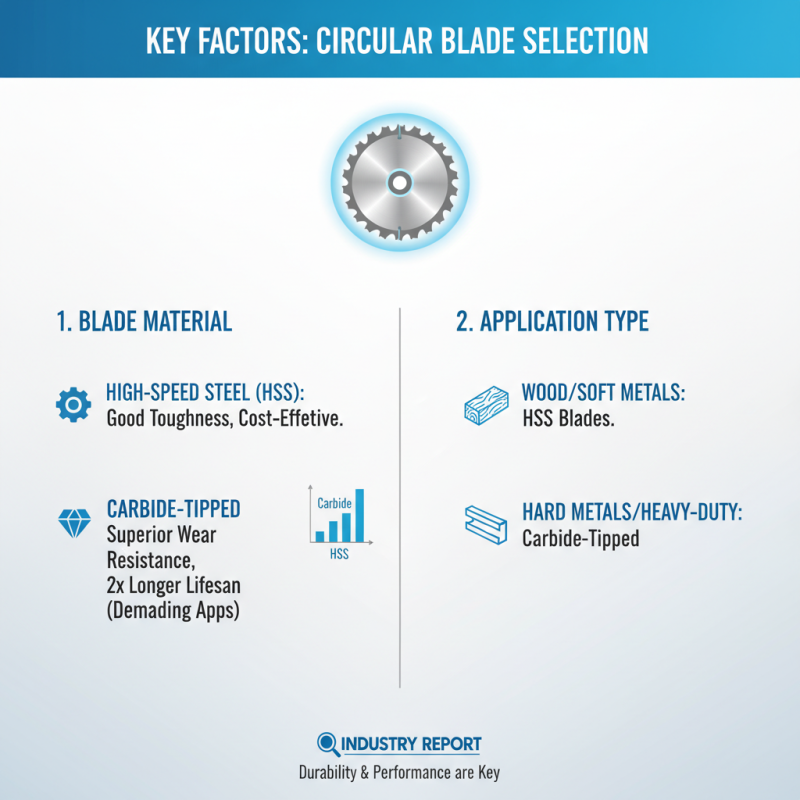
When selecting circular blades, several key factors need consideration. Blade material impacts durability and cutting performance. High-speed steel (HSS) blades offer good toughness. However, carbide-tipped blades provide superior wear resistance and longevity. According to a recent industry report, carbide-tipped blades can last up to twice as long as their HSS counterparts in demanding applications.
Diameter and thickness are also crucial. Thicker blades can handle heavier workloads but may produce more waste material. A study by the Cutting Tool Institute indicates that blade thickness can affect precision, which is vital for detailed work. Choosing the correct diameter ensures compatibility with your equipment. A mismatched size can lead to inefficient cutting and increased operational costs.
Consider the type of material you will cut. Different materials require specific blade profiles. For example, plywood demands a fine-toothed blade for a clean edge. On the other hand, steel requires a blade with a more aggressive tooth configuration to ensure effective cutting. This mismatch can lead to frustration and subpar results. Assessing your cutting tasks carefully is essential for optimal performance.
Material Composition: How Blade Materials Impact Performance and Longevity
When choosing circular blades, material composition plays a pivotal role in both performance and longevity. Blades made from high-speed steel (HSS) excel in durability and edge retention, making them ideal for wood and soft metals. According to industry reports, HSS blades can maintain their sharpness 30% longer than carbon steel blades. This is crucial for professionals who need reliability in prolonged cutting tasks.
Carbide-tipped blades, on the other hand, are excellent for harder materials like aluminum and composites. They are often favored for their hardness, achieving a 40% increase in cutting speed with proper handling. However, it’s essential to be aware that carbide-tipped blades can fracture under extreme conditions. These fractures can lead to compromised safety, showcasing the need for careful assessment of material suitability.
The impact of blade materials on performance extends to cost-effectiveness. While HSS blades are cheaper upfront, their lifespan may not rival that of carbide-tipped options. Paying attention to the specific needs of each project can lead to better financial decisions. Alongside performance metrics, evaluating how materials wear can bring insight into efficient usage, ultimately optimizing production workflows. A well-informed choice in blade materials is key to achieving desired results.
Industry Standards and Certifications for Quality Circular Blades
Choosing the right circular blades involves understanding industry standards and certifications. Blade quality directly impacts performance and safety. Look for blades that meet recognized standards, ensuring reliable results.
Several certifications exist for circular blades. ISO certifications are essential for quality assurance. These standards ensure the blades undergo rigorous testing. ANSI and ASTM are other important guidelines for durability and safety. Meeting these standards increases trust in your tools.
Consider the implications of using non-certified blades. They may save costs initially but lead to unsafe situations. A blade that fails can cause damage or injuries. Investing in certified products promotes longevity and better performance. Always verify the certifications before making a purchase. Proper certifications reflect a manufacturer’s commitment to quality.
Comparative Analysis of Circular Blade Types and Their Applications