How to Choose Round Carbide Rods for Your Industrial Applications?
Choosing the right materials is crucial in industrial applications. Among these materials, Round Carbide Rods stand out for their exceptional performance and durability. Their strength makes them suitable for various manufacturing processes, including cutting and drilling operations. However, selecting the ideal round carbide rods can be challenging due to the wide range of options available.
When evaluating Round Carbide Rods, factors such as size, composition, and hardness are essential. For example, the diameter of the rod will affect its strength and suitability for specific tasks. Not all rods are created equal; some may wear down quickly under high pressure, while others resist deformation efficiently. This variability necessitates careful consideration of the intended application.
Furthermore, it’s important to recognize that not every supplier guarantees the same level of quality. Researching reputable manufacturers and understanding material specifications can prevent costly mistakes. Investing time in this process pays off in improved productivity and reduced downtime. Remember, choosing the wrong Round Carbide Rods can lead to significant setbacks. Considerations made today impact performance tomorrow.
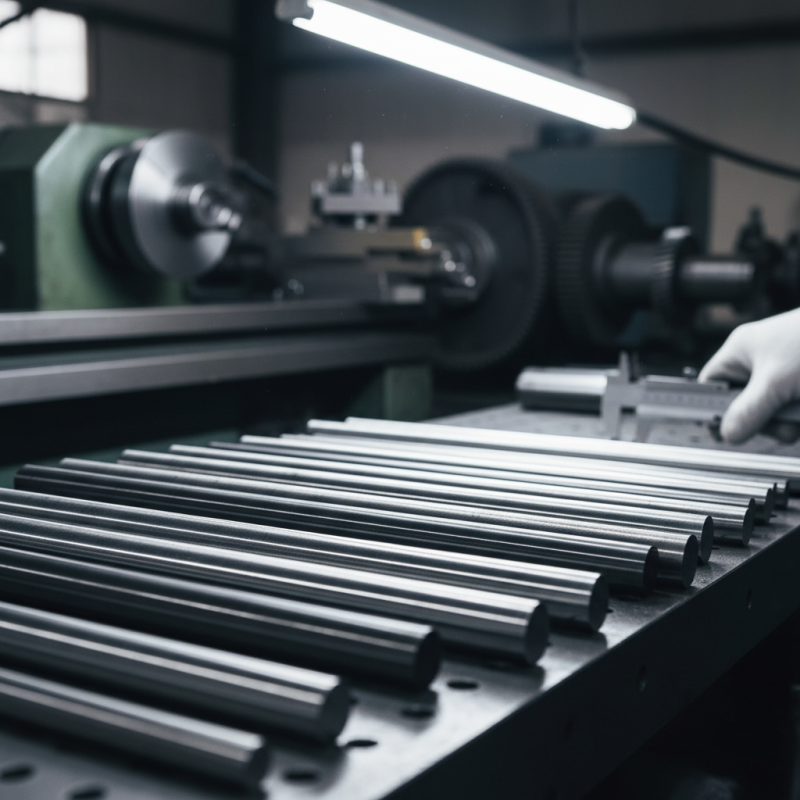
Factors to Consider When Choosing Round Carbide Rods
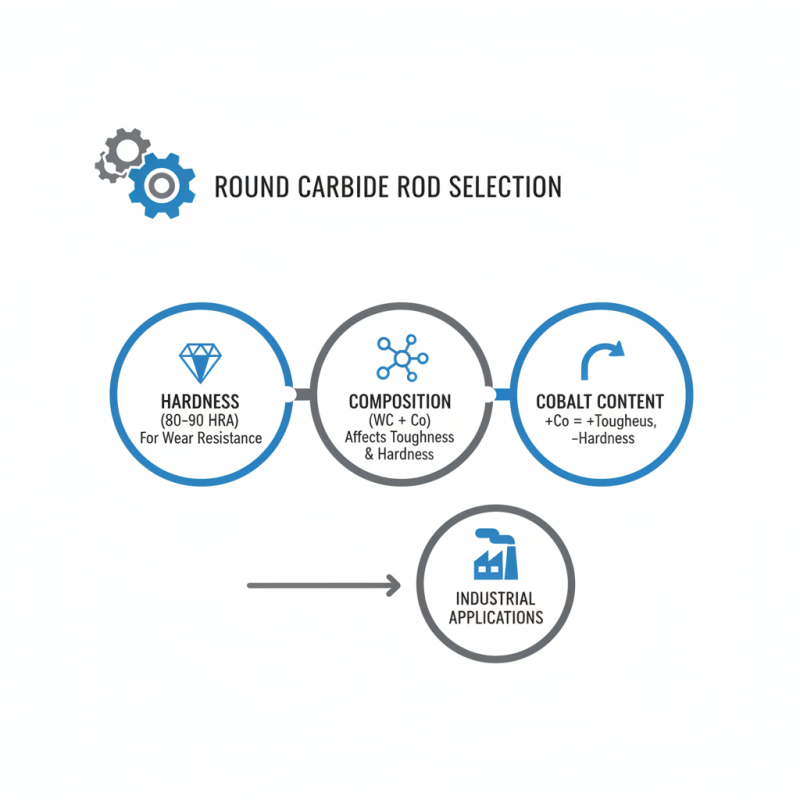
When selecting round carbide rods for industrial applications, several crucial factors come into play. The hardness of carbide materials typically ranges between 80 to 90 HRA. This property is vital for applications involving wear resistance. The composition of the carbide, often a blend of tungsten carbide and cobalt, also significantly affects its performance characteristics. Research shows that a 10% increase in cobalt content can improve toughness, yet it might lower hardness slightly.
Another important aspect is the diameter and length of the rods. Common diameters range from 3mm to 25mm. A precise selection enhances machining capabilities and tool life in manufacturing processes. Proficient engineers often analyze cutting speed and feed rates, as improper choices can lead to premature wear. Industry data suggests that optimizing these parameters could extend tool life by up to 50%.
Additionally, surface finish can impact performance. Smooth surfaces typically result in lower friction and better cutting efficiency, but they may be more costly to produce. Review processes used by suppliers to ensure consistent quality. Check for certifications like ISO 9001 to gauge reliability. The decision-making process should balance performance needs with budget constraints, recognizing that higher costs may lead to long-term savings.
Types of Round Carbide Rods Available for Industrial Use
When selecting round carbide rods for industrial applications, understanding the types available is crucial. There are several forms of carbide rods, including solid rods, custom lengths, and those designed for specific machining processes. Solid rods are often used for general applications. According to a report by the Global Carbide Tool Market, solid carbide accounts for 42% of total market revenue due to its durability and cutting performance.
Additionally, some rods are designed for specific machinery. For example, rods tailored for CNC machining might feature precise diameter specifications and enhanced wear resistance. However, not all rounds perform equally in different applications. An industry analysis by Grand View Research indicates that rods with higher cobalt content provide better toughness but can be more brittle under certain conditions.
It's important to consider the intended use and the machinery involved. Sometimes, standard options are deemed sufficient, while other times, custom solutions are necessary. Failure to choose correctly can lead to inefficiencies and increased costs. Industries must balance performance, cost, and application requirements when selecting round carbide rods. Hence, understanding these factors is vital in making informed decisions.
Evaluating the Dimensions and Tolerances of Carbide Rods
When it comes to selecting round carbide rods, understanding dimensions and tolerances is crucial. Manufacturers typically produce carbide rods in various diameters and lengths. The diameter often ranges from a few millimeters to several centimeters. Even slight variations can impact the application's effectiveness. Research shows that maintaining tight tolerances can improve performance by up to 25% in precision machining tasks.
Evaluating tolerances is equally important. Industry standards often require tolerances of ±0.05 mm for critical applications. This precision ensures that the carbide rods fit perfectly into the machinery, allowing seamless integration. Deviations outside this range can lead to premature wear or failure. While tolerances can be challenging to achieve, investing in rigorous quality control processes can enhance reliability.
Finally, the application's specific needs dictate the selection process. For instance, rods used in high-impact settings need more robust specifications. If the requirements are not precisely met, companies may face performance issues. Understanding the balance between cost and quality is vital. Selecting the right dimensions and tolerances can ultimately create more durable and efficient tools in any industrial application.
Applications of Round Carbide Rods in Various Industries
Round carbide rods are integral to various industrial applications, thanks to their durability and heat resistance. These rods are widely used in manufacturing cutting tools, specialized fixtures, and wear-resistant components across multiple sectors. In the automotive industry, for instance, they are often employed in producing precision components that withstand high wear and tear. A report from Industry Research states that the global carbide tools market is projected to reach $12.4 billion by 2027, reflecting the high demand for robust materials in manufacturing.
In aerospace, round carbide rods contribute to improving component longevity and performance. Their ability to endure extreme conditions makes them essential for turbine engines and landing gear assemblies. According to a recent study by MarketsandMarkets, the aerospace materials market is anticipated to grow significantly, with a share of carbides expected to rise due to their superior strength-to-weight ratio.
However, selecting the right round carbide rods can be complex. Factors like rod diameter, length, and specific grading criteria must be considered. Many professionals report challenges in finding the optimal grade for specific applications. Manufacturers sometimes overlook these details, leading to inefficiencies. Balancing cost and performance remains a key challenge. While round carbide rods present many advantages, their selection requires careful thought and expertise.
Applications of Round Carbide Rods in Various Industries
Maintenance and Care Tips for Round Carbide Rods
Maintaining round carbide rods is crucial for their longevity and performance. Regular cleaning is essential. Use a soft cloth to wipe away debris and avoid abrasive materials that can scratch the surface. Store the rods in a dry, temperature-controlled environment. Excess moisture can lead to corrosion, compromising quality.
Inspection plays a vital role in care. Check for any signs of wear or damage. Even small cracks can lead to significant problems later. If you notice any defects, it might be time for replacement. Proper handling also matters. Always use protective gear when working with these tools. It ensures safety while also preserving the integrity of the rods.
Remember to keep an eye on tool usage. Overuse can accelerate wear and tear. A balanced workload can enhance the life span of your carbide rods. In industrial settings, share maintenance responsibilities. Team knowledge fosters better practices. These steps collectively ensure that your round carbide rods remain reliable and effective in your applications.
How to Choose Round Carbide Rods for Your Industrial Applications? - Maintenance and Care Tips for Round Carbide Rods
| Dimension (mm) |
Weight (g) |
Hardness (HRA) |
Applications |
Maintenance Tips |
| 3 x 100 |
120 |
90 |
Drills, End Mills |
Clean regularly and store in a dry place. |
| 6 x 150 |
250 |
89 |
Milling Tools, Saws |
Avoid dropping and using on hard surfaces. |
| 4 x 200 |
180 |
91 |
Cutting Inserts, Grinding Tools |
Inspect for chips and cracks before use. |
| 8 x 100 |
220 |
87 |
Precision Tools, Jigs |
Store upright and away from moisture. |