How to Choose the Right Cutting Tools for Your Projects?
Choosing the right cutting tools is crucial for any DIY project or professional job. The right tools can make your work smoother and more efficient. However, many people struggle with this important decision. Cutting tools come in various shapes and sizes. They are designed for different materials and purposes. Selecting the wrong tool can lead to frustration and wasted time.
When assessing tools, consider factors like material compatibility and intended use. For example, using the wrong blade on wood can result in a rough finish. Additionally, think about the tool’s ergonomics. A comfortable handle can improve precision and reduce fatigue during extended use. Inadequate tools can hinder your creativity and effectiveness.
It’s also beneficial to seek advice or read reviews before making a purchase. Personal experiences often reveal what works best in practice. Remember, not all expensive tools are the best option. Sometimes, affordable cutting tools perform just as well. Reflecting on your previous projects can guide your choices and enhance your tool collection.

Understanding Different Types of Cutting Tools Available in the Market
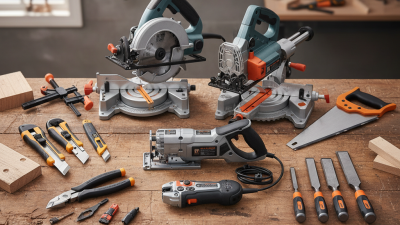
When selecting cutting tools, it's essential to understand the variety available. There are hand tools like
knives and scissors, as well as
power tools such as saws and routers.
Each has unique characteristics suited for specific tasks. For precision cutting, a sharp knife
works well. However, for larger projects, a saw is often necessary.
Tips: Always prioritize tool safety. A dull tool is more dangerous than a sharp one. Keep your tools clean and well-maintained.
The right tool can significantly impact your project's outcome.
Different materials also require different types of cutting tools. For wood, use a blade designed for
smooth cuts. Metals need tougher tools, adapted for strength.
Remember the right tool can save time and effort. Sometimes, tools meant for one project might not
suit another. Experimentation is key to refining your skills.
Tips: Test small cuts before tackling larger pieces. Don't hesitate to change tools if the first one isn’t performing well.
Familiarity with tools improves efficiency and confidence. Each project brings a learning curve, so reflect on what works best for you.
Identifying the Material Requirements for Your Specific Project
Choosing the right cutting tools begins with understanding the materials you will work with. Different materials require specific tools for optimal results. For example, metals can be tough to cut. A report from Cutting Tool Engineering indicates that tools designed for high-speed steel can often outperform standard options on harder metals.
Woodworking projects often differ in requirements. Softwoods like pine are easier to cut than hardwoods like oak. A study by the Woodworking Network notes that using the wrong tool can lead to poor finishes and extra labor. Selecting the appropriate blade or bit based on wood type is vital. It can save time and improve quality.
However, not every project will match perfectly with the chosen tool. Sometimes, trial and error may be necessary. A tool that works flawlessly in one application might perform poorly in another. Understanding the nuances can take time. It's essential to remain flexible and adjust as needed. This way, you can fine-tune your approach based on the specific demands of each task.
Evaluating the Size and Design Features of Cutting Tools
When selecting cutting tools, their size and design features play a crucial role. A tool that's
too large can be unwieldy, while one that's
too small might not provide the necessary leverage.
Pay attention to the dimensions relative to your project. For example, if you’re working on
intricate designs, a smaller tool allows better control. Larger tools are more suitable for heavy-duty tasks.
Consider the blade design too. Different shapes offer unique advantages. A
straight blade is great for clean cuts, while a
serrated edge can handle tougher materials. Evaluate how
each design fits your needs. A versatile tool might seem ideal, but sometimes, a specialized
design could yield better results.
Tips: Always check the grip of your tools. An ergonomic handle
can significantly improve comfort during long projects. Don’t overlook the weight as well—it
impacts maneuverability. Mistakes often occur when tools don’t register well with the user.
Experiment with different sizes and designs before settling on your go-to tools.
It’s a journey, and finding the perfect fit may take time.
Considering Tool Durability and Maintenance for Longevity
When choosing cutting tools, durability and maintenance are essential. Studies show that quality tools can last up to 3 times longer than their cheaper counterparts. Proper care drastically reduces wear and tear. Unfortunately, many users overlook this aspect, leading to frequent replacements and unnecessary costs.
Tip: Regularly clean your tools after each use. Dirt and debris can cause premature wear. It's a simple step that can extend the life of your tools significantly. Lubrication is also crucial. Applying the right lubricant can prevent rust and improve performance.
Consider sharpening your cutting tools on a regular basis. Dull blades require more effort, risking damage to both the tool and the material. Many professionals recommend sharpening after every few uses. It might seem tedious, but it saves time in the long run. However, not everyone follows this routine. A little reflection can reveal areas of improvement.
Lastly, store your tools properly. A damp environment can lead to corrosion, while cluttered storage can cause accidental damage. Investing in a good storage solution is worth it. After all, a small effort in maintenance leads to significant longevity.
Cutting Tool Durability and Maintenance Comparison
This bar chart illustrates the durability and maintenance frequency of various cutting tools, showcasing their longevity in different materials.
Matching Cutting Tools to Your Skill Level and Project Complexity
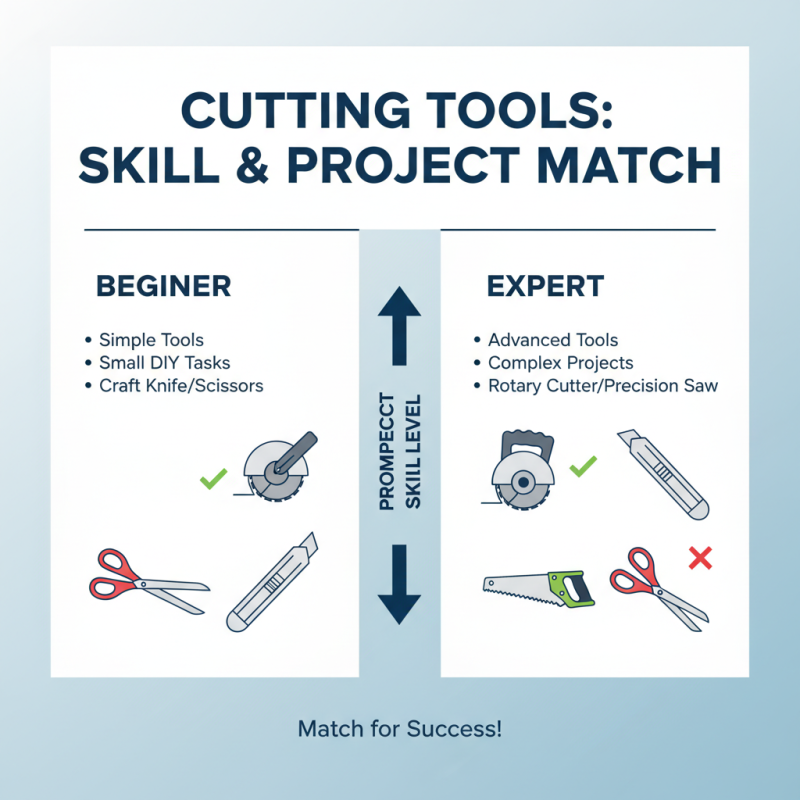
Choosing the right cutting tools can make or break your project. Your skill level and the complexity of the task are crucial factors in this decision. For beginners, simpler tools often lead to better outcomes. A basic craft knife or a pair of scissors can suffice for small DIY tasks. You might feel tempted to use advanced tools, but they can be daunting.
Tips: Start with what you are comfortable with. Too advanced tools can overwhelm you. Focus on mastering the basics before moving on.
As your confidence grows, you can explore more sophisticated options. If a project involves intricate cuts, a precision cutter might be necessary. But remember, even skilled users sometimes struggle with new tools. It's important to practice and allow yourself to make mistakes.
Tips: Don’t hesitate to seek tutorials. Sometimes, the tool itself can be frustrating. Understanding its mechanics can significantly improve your skills.