Why Choose Round Carbide Blades for Your Cutting Needs?
In the competitive landscape of manufacturing, cutting efficiency is paramount. Round Carbide Blades have emerged as a leading solution for a diverse range of cutting applications. Reports indicate that the market for these blades is expected to grow by over 5% annually, underscoring their significance in the industry. Notably, industry expert Dr. James Harrison states, "The precision and durability of Round Carbide Blades offer unmatched performance in cutting operations."
These blades are crafted from high-quality carbide, designed for longevity and precision. Their sharp edge enables clean cuts, significantly reducing the risk of material waste. Moreover, they withstand high temperatures, which is essential for extended use. While many manufacturers benefit from these advantages, some may overlook maintenance practices essential for maximizing their lifespan.
However, challenges remain. The initial investment in Round Carbide Blades can be higher compared to traditional options. Businesses must weigh the long-term benefits against upfront costs. The decision can be complex, hinting at a need for careful consideration. Customers should evaluate their specific needs against these promising attributes to make informed choices.

The Composition and Properties of Round Carbide Blades
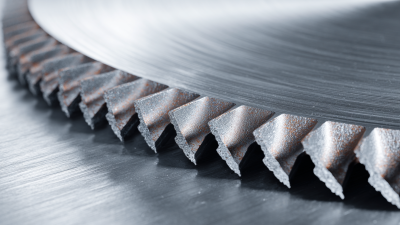
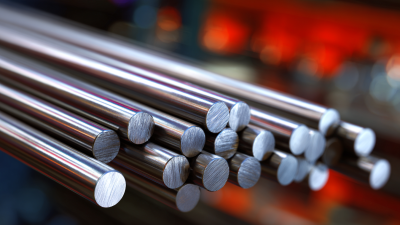
Round carbide blades are renowned for their precision and durability. The composition of these blades is crucial to their performance. Typically, they are made from tungsten carbide, a highly durable material. This composition allows them to withstand high temperatures and resist wear over time. The fine-grain structure of tungsten carbide also contributes to a sharper cutting edge.
The properties of round carbide blades make them suitable for various cutting tasks. They offer minimal flex, which guarantees accuracy in cuts. Their hardness means they can cut through tough materials like metal and hardwood. However, this hardness can result in brittleness. If not handled properly, they may chip or crack under excessive force. Users must balance pressure and technique for optimal results.
These blades have unique geometries that enhance their cutting action. The design allows for smoother cuts with reduced friction. This can lead to cleaner finishes on projects, an important factor for many applications. Yet, blade selection can sometimes be challenging. Choosing the right type and size requires careful consideration of the material being cut. Understanding these details is essential for achieving the best possible outcome.
Comparison of Cutting Efficiency: Round Carbide Blades vs. Traditional Blades
This chart illustrates the cutting efficiency of round carbide blades compared to traditional steel and diamond blades. As shown, round carbide blades demonstrate the highest efficiency, making them an ideal choice for demanding cutting applications.
Advantages of Using Round Carbide Blades in Cutting Applications
When it comes to cutting applications, round carbide blades stand out due to their unique advantages. These blades are crafted from tungsten carbide, making them exceptionally durable and wear-resistant. According to industry data, tools made from carbide can last up to 10 times longer than steel. This longevity not only reduces the need for constant replacements but also decreases downtime during production.
Another significant benefit is the precision these blades offer. They maintain sharp edges longer, which translates to cleaner cuts and improved overall quality. Studies indicate that using round carbide blades can enhance cutting accuracy by 25%. This is especially crucial in industries like woodwork and metal machining, where errors can lead to costly waste. Moreover, the circular design allows for smoother operations, reducing friction and heat generation.
Nevertheless, there are considerations to reflect on. The initial cost of round carbide blades can be higher than other options. For small businesses, this may present a barrier. Additionally, not all cutting tasks require such specialized tools. Understanding when to invest in high-quality blades versus standard ones is vital. Balancing cost with potential gains in efficiency remains a challenge for many users.
Comparative Analysis: Round Carbide Blades vs. Other Blade Types
When considering cutting tools, round carbide blades stand out for various reasons. Compared to traditional blades, they offer superior durability and precision. Other blade types may dull quickly, losing effectiveness during intricate jobs. Round carbide blades excel in maintaining sharpness, making them ideal for high-volume projects. Their unique shape distributes cutting pressure evenly, reducing the chance of chipping or breaking.
One of the key benefits lies in versatility. Round blades can handle a variety of materials, from wood to metal. On the other hand, some blade types may struggle with tougher substances. It’s crucial to assess your cutting needs to choose wisely. If you work with multiple materials, investing in round carbide blades is a smart choice.
Tip: Always consider the thickness of the material. Thicker materials require careful handling. Also, replace blades regularly to ensure optimal performance. In some cases, using worn-out blades could lead to more waste and frustration. Balance cost with effectiveness. It might feel like an unnecessary expense, but it pays off with cleaner cuts and a less stressful workflow.
Why Choose Round Carbide Blades for Your Cutting Needs? - Comparative Analysis: Round Carbide Blades vs. Other Blade Types
| Blade Type |
Material |
Durability (Hours) |
Cutting Speed (m/s) |
Cost (USD) |
Ideal Use |
| Round Carbide Blade |
Carbide |
1000 |
15 |
200 |
Precision Cutting |
| High-Speed Steel Blade |
HSS |
800 |
12 |
150 |
General Purpose |
| Diamond Blade |
Diamond Coated |
1200 |
10 |
500 |
Tile and Stone |
| Ceramic Blade |
Ceramic |
600 |
8 |
100 |
Light Materials |
Maintenance Tips for Longevity of Round Carbide Blades
Round carbide blades are essential for various cutting applications. To maximize their lifespan, proper maintenance is crucial. Regularly cleaning the blades after use can significantly enhance their performance. Dust and debris can cause premature wear. Keeping blades polished and free from buildup contributes to cleaner cuts. A simple compression of air can remove debris effectively.
It's vital to store these blades correctly. High humidity can lead to corrosion. A dry, climate-controlled environment is ideal for storage. Furthermore, avoid dropping or mishandling blades. Minor chips can lead to major issues over time. According to industry reports, well-maintained carbide blades can operate effectively for over twice as long as neglected ones.
Monitor the sharpness of the blades consistently. Dull blades may cause increased friction, leading to overheating and potential blade damage. Using a diamond sharpening tool can restore the edge efficiently without compromising the blade structure. Regular maintenance checks are crucial. Identify any wear early to prevent more significant problems. Staying attentive can ultimately save both time and money.
Common Applications and Industries Utilizing Round Carbide Blades
Round carbide blades find extensive use in various applications across multiple industries.
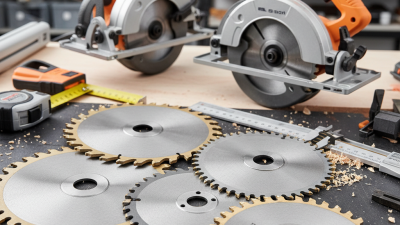
Woodworking shops often employ these blades for precision cuts. They slice through dense hardwoods with ease.
The sharp edges maintain their integrity longer than traditional blades. This ensures high-quality finishes on furniture or intricate carvings.
In metalworking, round carbide blades are equally valuable. They can cut through metal sheets and tubes.
These blades resist wear and tear, making them ideal for heavy-duty tasks. In manufacturing, their efficiency reduces downtime, increasing productivity.
Tips: Always select a blade suited for your specific material.
Consider the thickness of the material and the desired finish. A well-maintained blade enhances performance and safety.
Food processing industries also utilize round carbide blades. They slice fruits, vegetables, and meats with uniformity.
A consistent cut in these industries affects cooking and presentations. It’s crucial to ensure hygiene when using blades in food settings.
Remember, improper use leads to wear.
Do not push the blades beyond their limits. Regular checks help maintain cutting performance and safety.